
Each Basny rug is produced in the Hutsul ethnographic region in
a traditional technique that has been passed down for centuries.
Crafting a single rug is a time-consuming, multistage process,
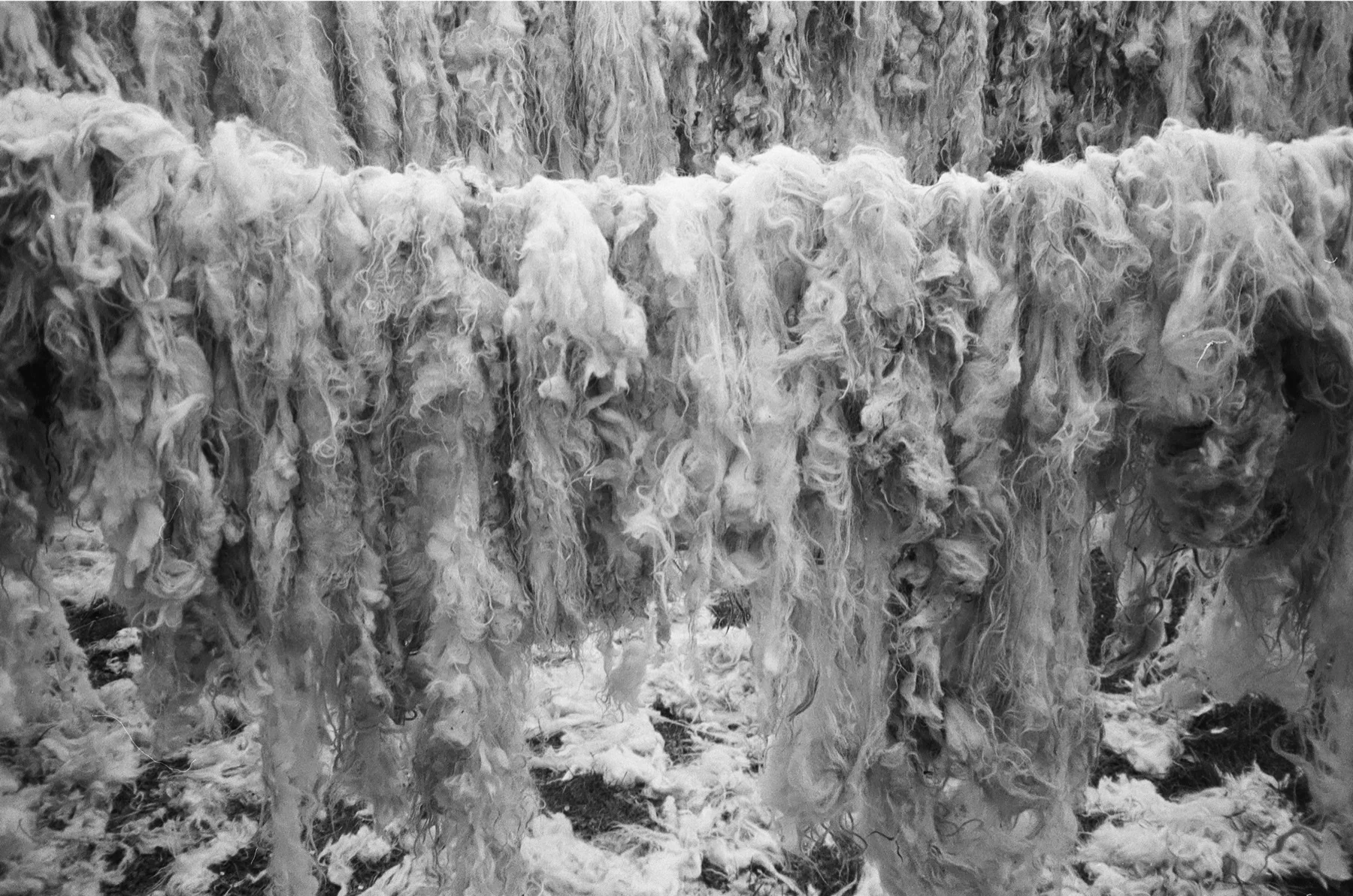
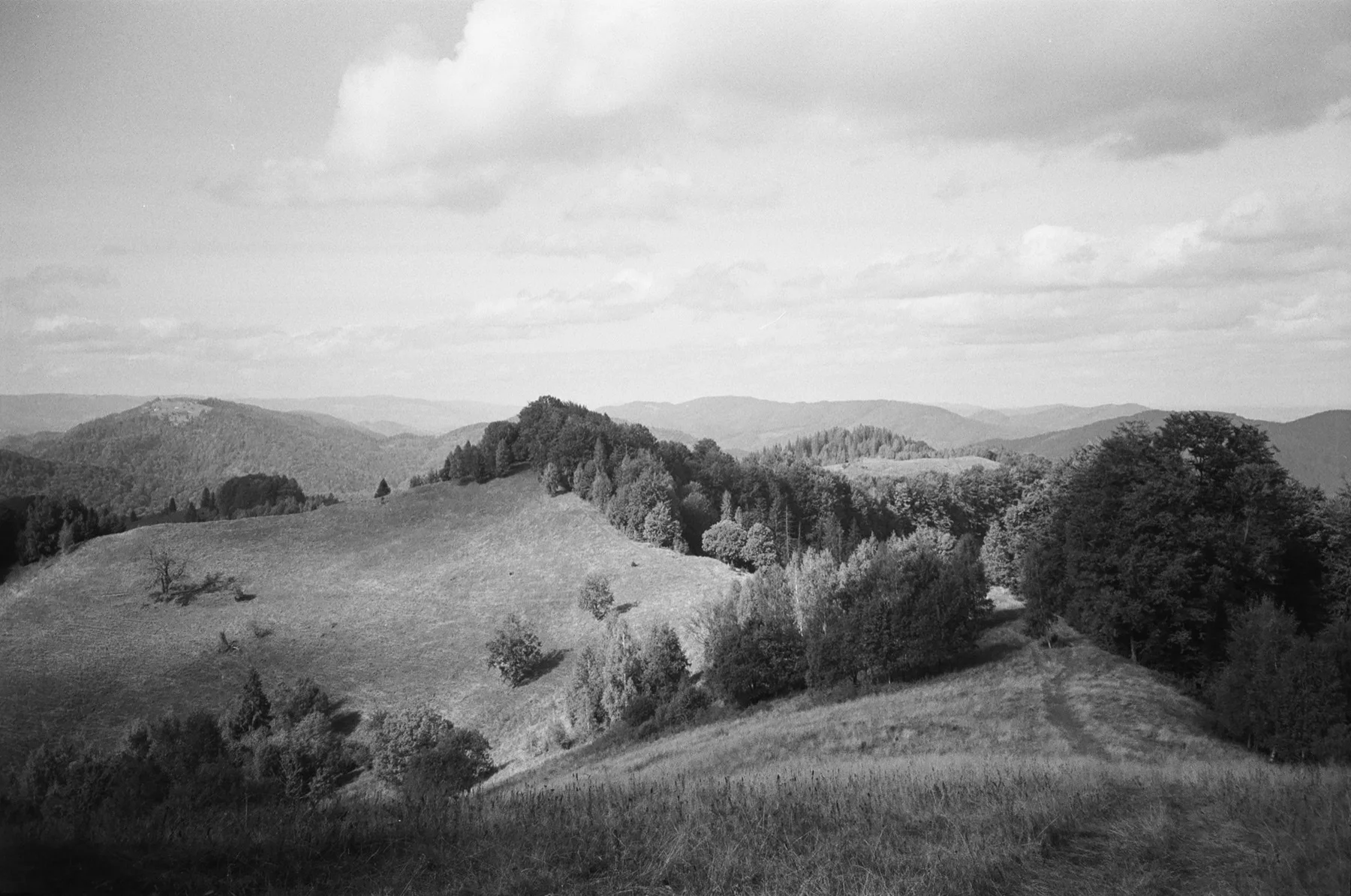
which starts with wool harvesting and processing. The distinct
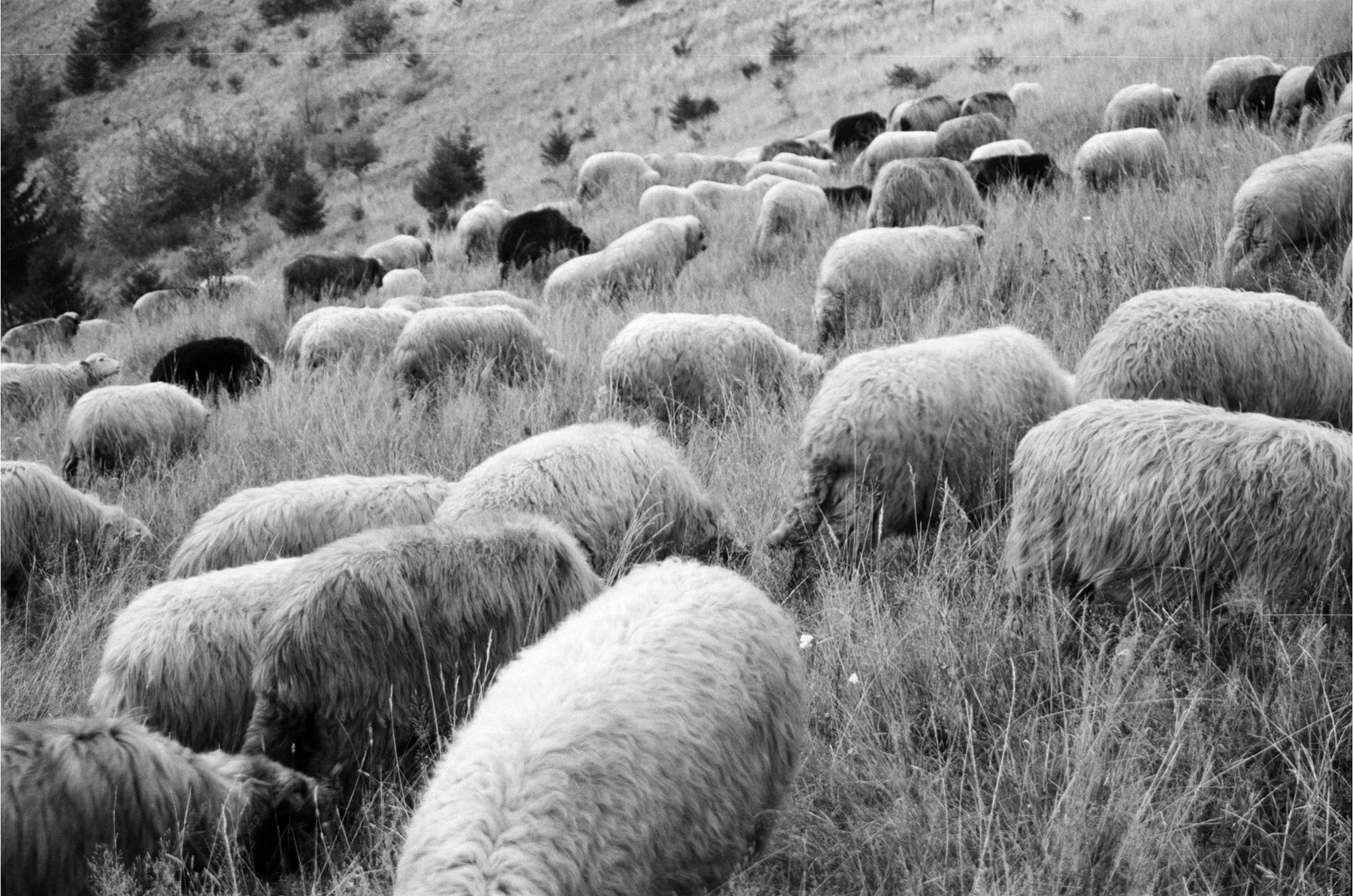
aspects of the landscape and the meadows where the sheep graze
contribute to shaping the qualities of the material.
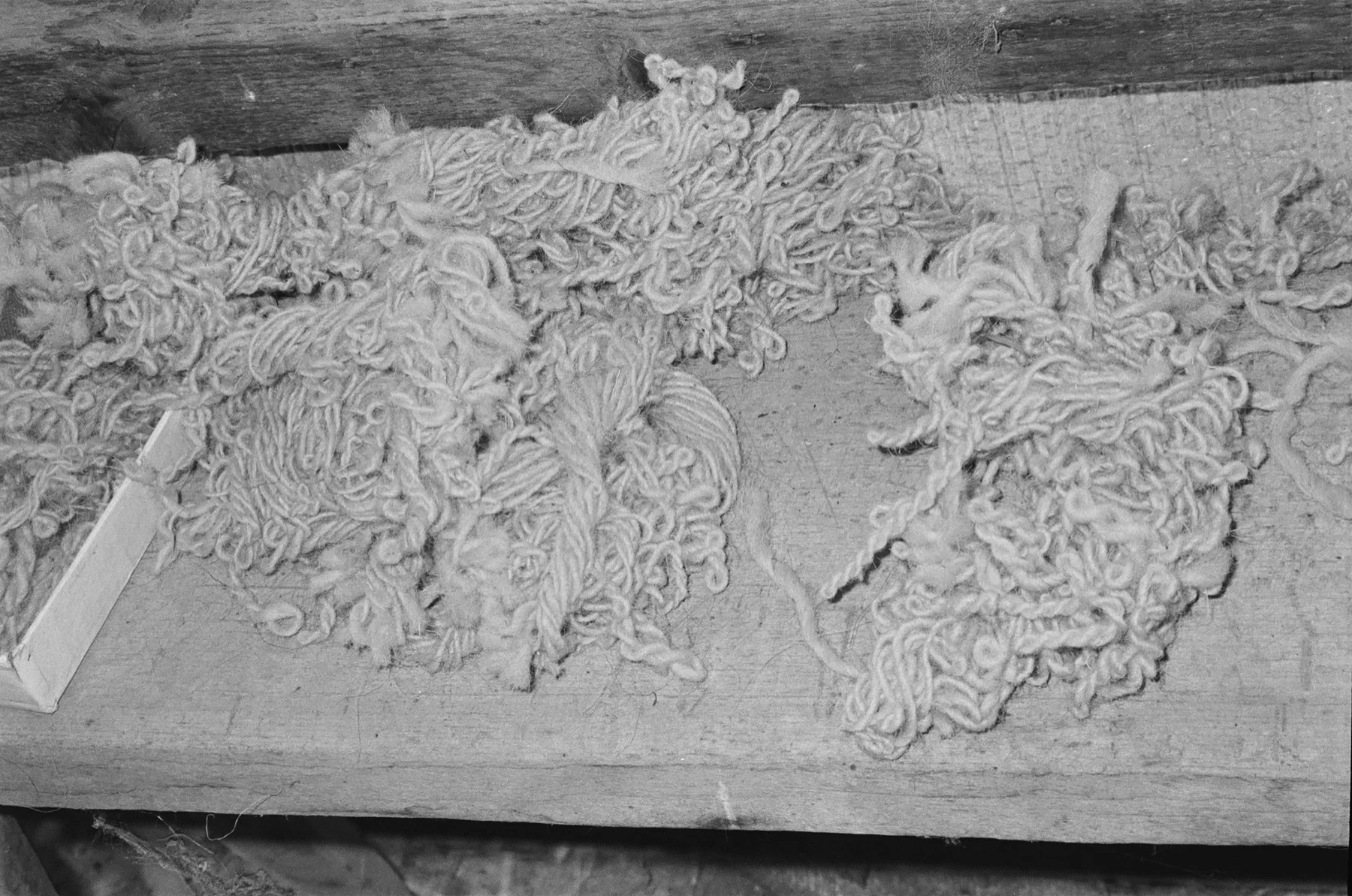
Sheep are sheared once a year. The wool is washed, dried, and
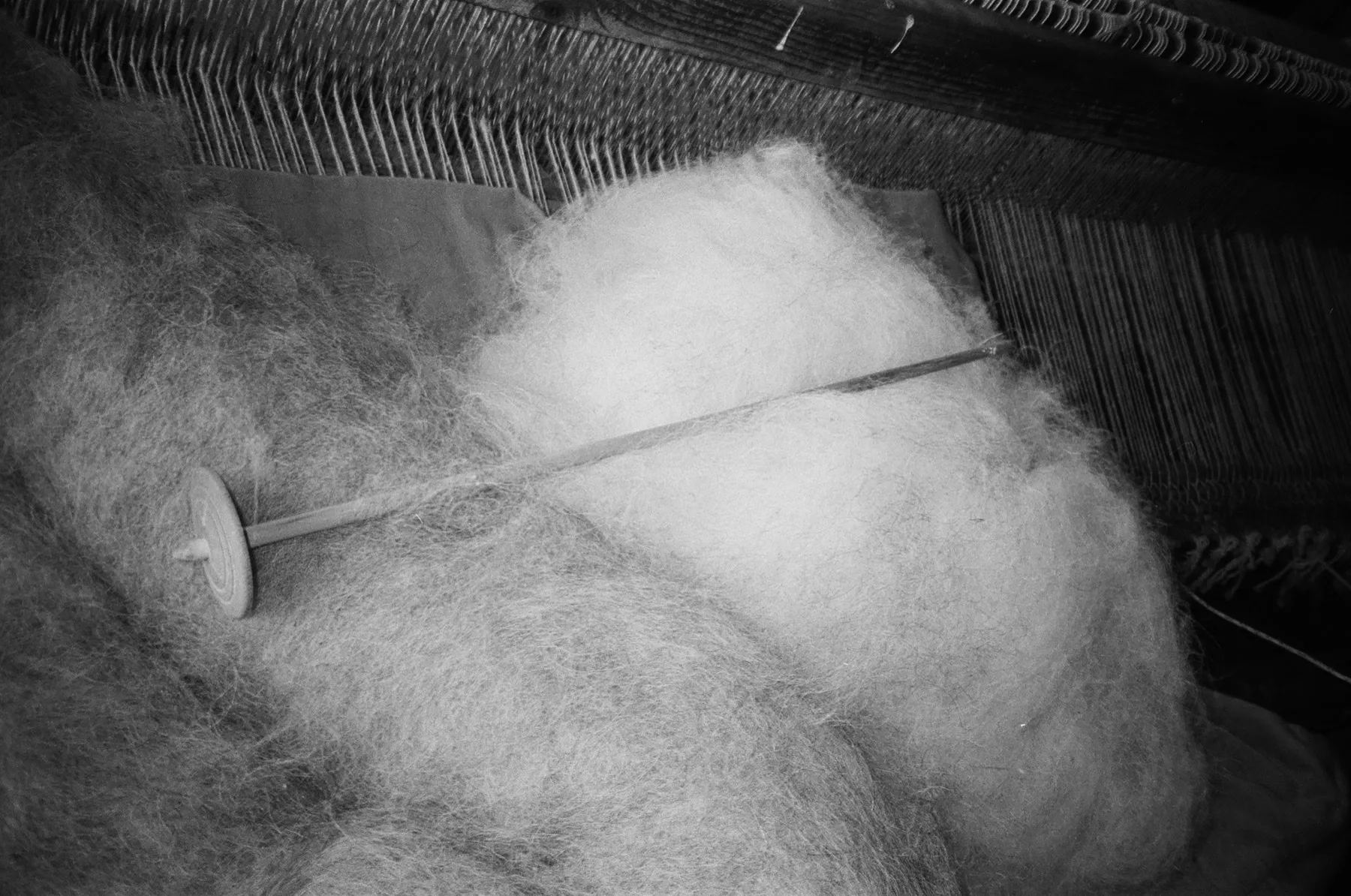
carded to straighten the fibers. The combed material is rolled
into slivers and spun into yarn on wooden spindles.
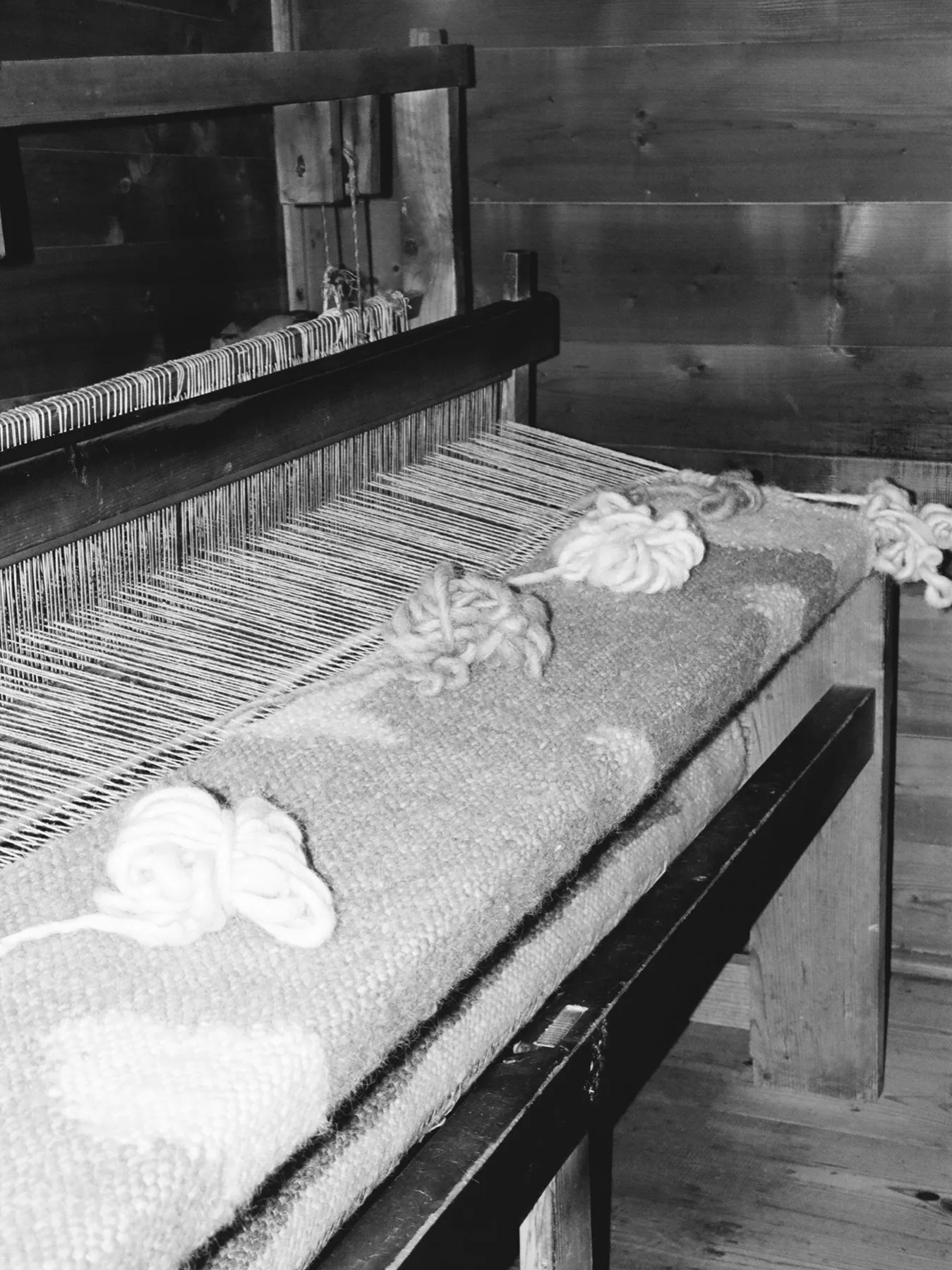
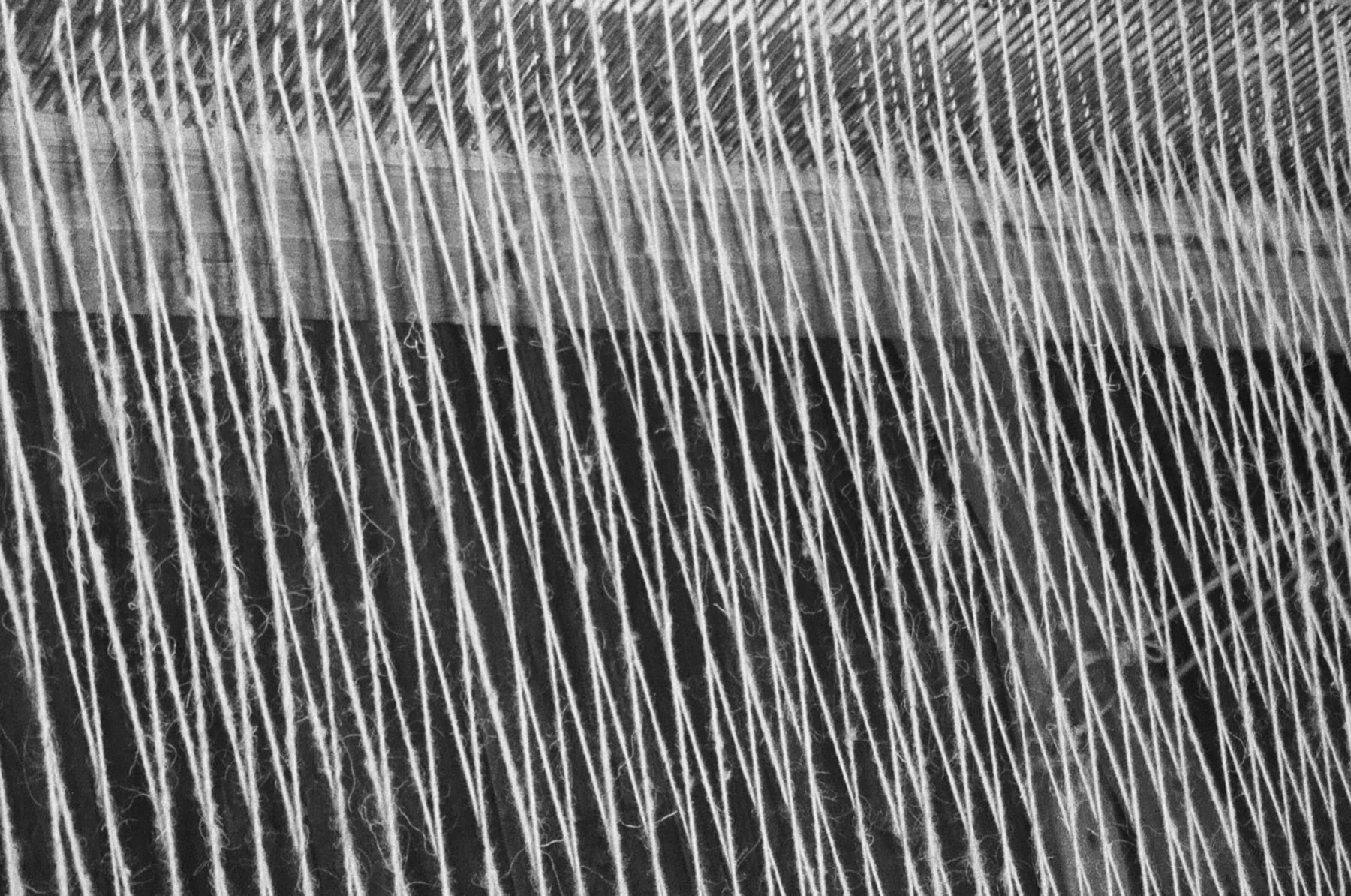
Thin threads are used for the warp, while thicker ones build the
rug's surface. Weaving is done on a horizontal loom: a
craftswoman passes thick fibers between the warp rows, beats
them down with a beater, and follows a scheme to reconstruct the
image. An artisan calculates the number of rows needed to
reconstruct the image. Artistry is intertwined with mathematical
accuracy.
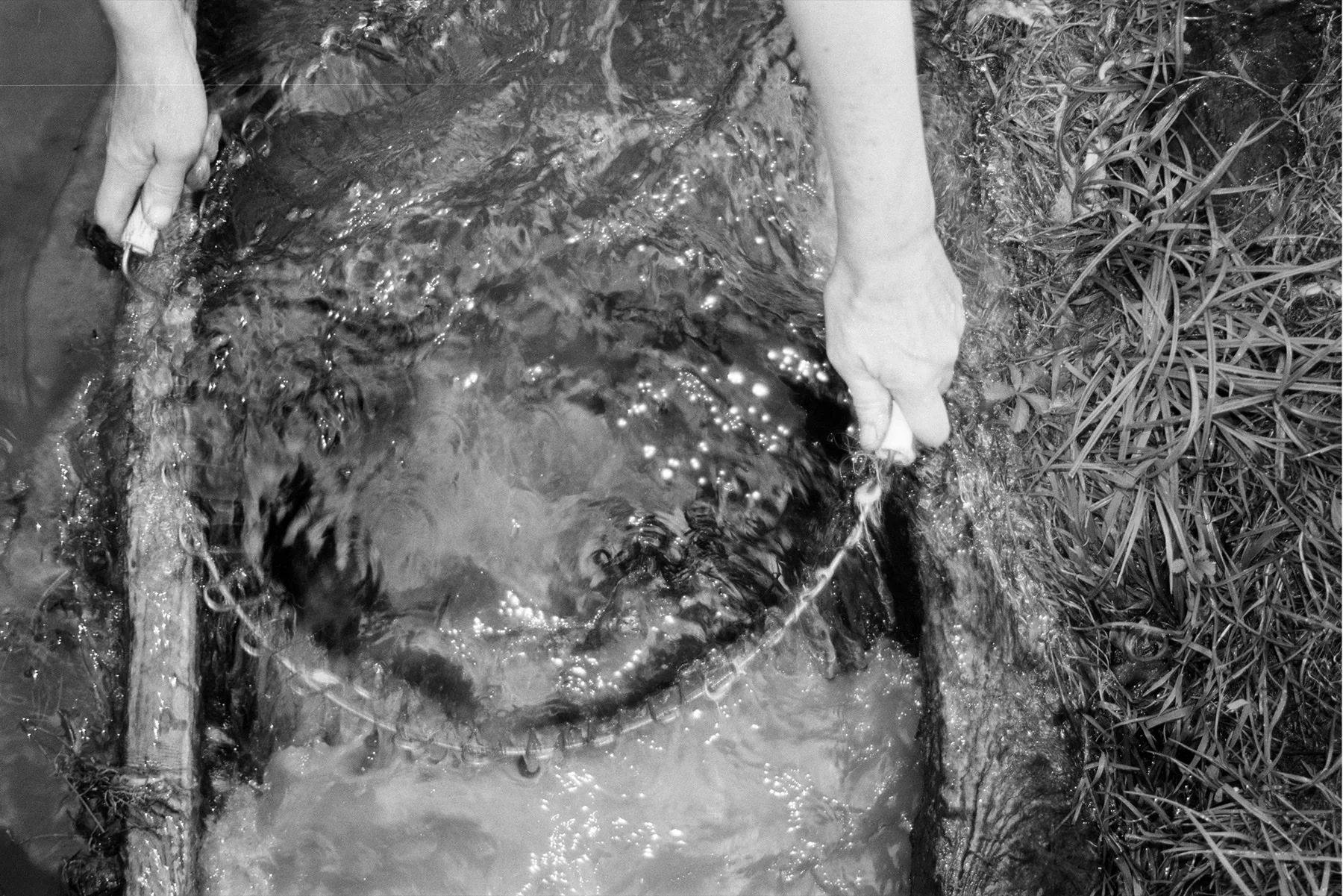
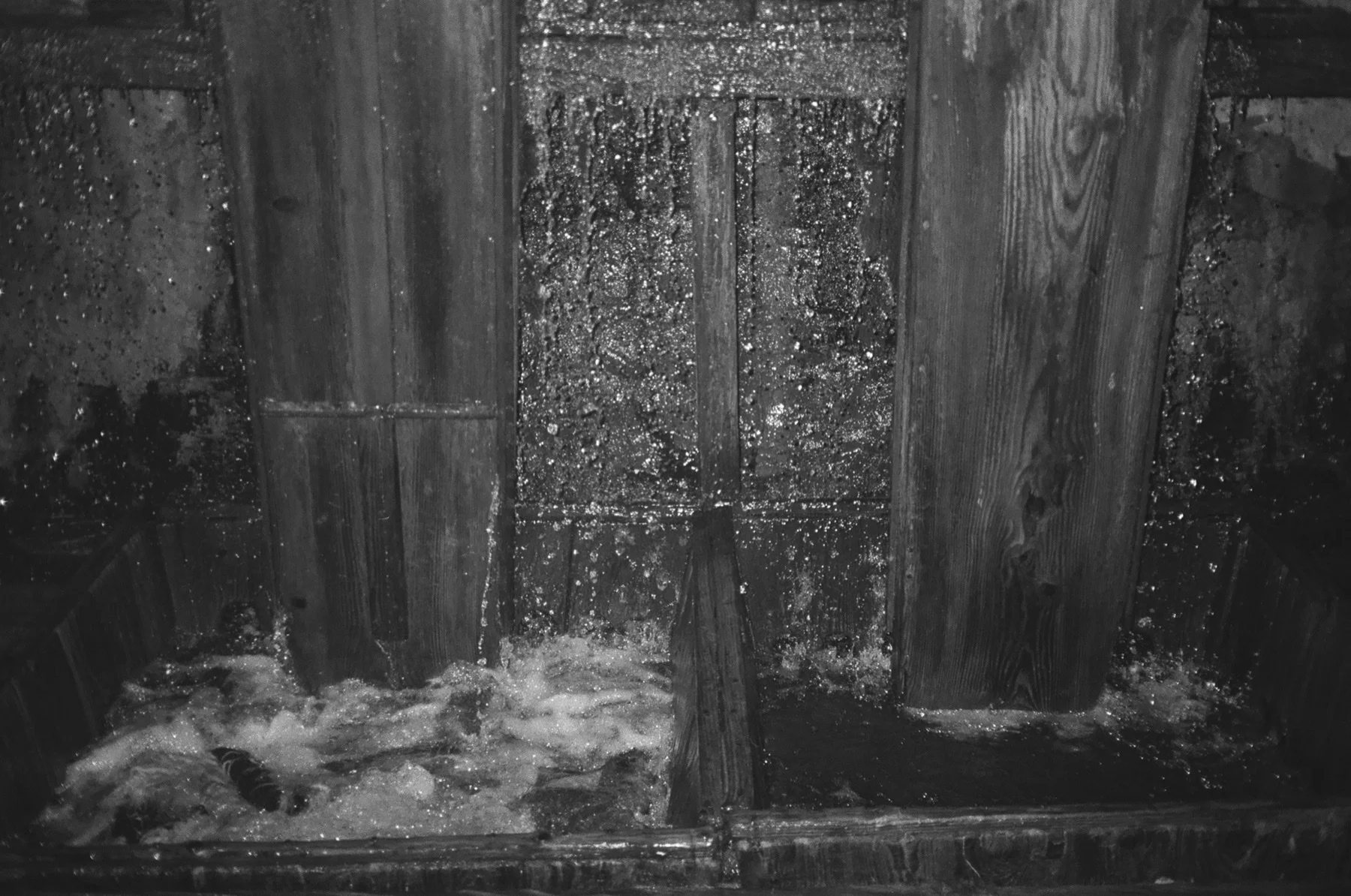
The woven rug is treated with cold mountain water in a wooden
reservoir placed in a mountain river, where a strong stream of
water runs through it for up to eight hours. Under these
conditions, the fibers become dense and the rug tight.
Every stage — from wool collection to finishing — is done by
hand. The tools themselves, looms, spindles, and combs, are
handmade by local artisans. The craft of rug making forms a
unique ecosystem, deeply connected to nature and sustained
tradition.